Environmental Pollutants Profile (EPP)
Urine test measuring key environmental chemicals across phenols, herbicides, pesticides, parabens, phthalates and PFAS.
Product Details
* PLEASE NOTE KITS CAN TAKE UP TO 1 WEEK TO BE DELIVERED!
* ONCE THE KIT HAS BEEN RECEIVED REFUND IS NOT POSSIBLE!
A comprehensive urine test analysing key environmental chemicals that may contribute to toxicity, inflammation, fatigue, hormonal disruption, and long-term health concerns. The Environmental Pollutants Profile (EPP) measures multiple classes of everyday pollutants, your personalised insight into chemical exposures from plastics, pesticides, household products, cosmetics, industrial compounds and more.
This advanced test evaluates 48 select metabolites, providing a detailed view of your toxic burden and helping inform targeted detoxification and nutritional support.
What This Test Measures
Based strictly on your screenshots, the EPP analyses pollutants across 10 major categories, each with their specific metabolites listed below.
1. Environmental Phenols
Common components of plastics, detergents, cleaning products and personal care items.
Metabolites tested:
- 4-Nonylphenol
- Bisphenol A (BPA)
- Triclosan (TCS)
2. Herbicides
Linked to agricultural exposure, contaminated produce, soils and water sources.
Metabolites tested:
- Synthetic Auxins: 2,4-Dichlorophenoxyacetic acid (2,4-D)
- Photosynthetic Inhibitors: Atrazine
- Atrazine mercapturate
- EPSP Inhibitors: Aminomethylphosphonic acid (AMPA)
- Glyphosate
3. Pesticides
Residues from home pest control, agriculture and environmental contamination.
Metabolites tested:
- 3-Phenoxybenzoic acid (3PBA)
- Diethyl phosphate (DEP)
- Diethyldithiophosphate (DEDTP)
- Diphenyl phosphate (DPP)
- Diethylthiophosphate (DETP)
4. Mitochondrial Marker
Reflects exposure that may influence mitochondrial stress and energy production.
Marker tested:
- Tiglylglycine (TG)
5. Parabens
Preservatives found in cosmetics, skincare products and personal items.
Metabolites tested:
- Benzylparaben
- Butylparaben
- Ethylparaben
- Methylparaben
- Propylparaben
6. Phthalates
Plasticisers commonly found in plastics, packaging, personal care items and household products.
Metabolites tested:
- Mono-Benzyl phthalate (mBzP)
- Mono-n-Butyl phthalate (mBP)
- Mono(3-carboxypropyl) phthalate (mCPP)
- Mono-ethyl phthalate (MEtP)
- Mono-2-ethylhexyl phthalate (MEHP)
- Mono-(2-ethyl-5-hydroxyhexyl) phthalate (MEHHP)
- Mono-(2-ethyl-5-oxohexyl) phthalate (MEOHP)
- Mono-n-octylphthalate (mOP)
7. Volatile Organic Compounds (VOCs)
Found in paints, fuels, smoke, solvents and cleaning chemicals.
Metabolites tested:
- 2-Hydroxyethyl-mercapturic acid (HEMA)
- Phenylglyoxylic acid (PGO)
8. PFAS (Per- and Polyfluoroalkyl Substances)
Widely known as “forever chemicals,” found in cookware, packaging, textiles and environmental contamination.
Metabolites tested:
- Perfluorobutanoic acid (PFBA)
- Perfluorooctanoic acid (PFOA)
- Perfluorooctane sulfonic acid (PFOS)
9. Cysteine Derivatives
Markers of detoxification pathways and chemical metabolism.
Metabolites tested:
- N-Acetyl (3,4-Dihydroxybutyl) cysteine (NADB)
- N-acetyl (carbomoylethyl) cysteine
- N-Acetyl Phenyl Cysteine (SPMA)
- N-Acetyl (Propyl) cysteine (NAPR)
10. Other Environmental Pollutants
General environmental exposures from smoke, pollution, plastics, solvents, dyes and industry-related chemicals.
Metabolites tested:
- 3-Me-Hippuric acid
- 2-Me-Hippuric acid
- Hippuric acid
- Benzoic acid
- t,t-Muconic acid
- 3,4-DimethylHippuric acid
- Mandelic acid
- Mandelic acid + Phenylglyoxylic acid (PGO)
- Phthalic acid
- Quinolinic acid
- 4-Hydroxybenzoic acid
- Alpha-Hydroxybutyric acid
Why This Test Matters
Everyday environmental exposures can contribute to:
- Fatigue and low energy
- Hormonal imbalance
- Headaches and brain fog
- Skin irritation
- Immune strain
- Detoxification overload
- Neurological symptoms
- Fertility and endocrine concerns
The EPP provides objective data for identifying chemical exposures and supporting personalised detoxification planning.
How the Test Works
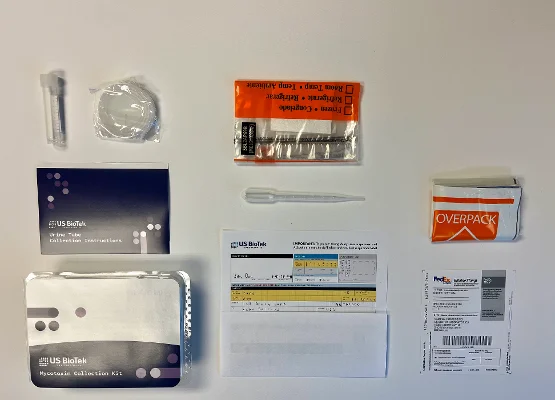
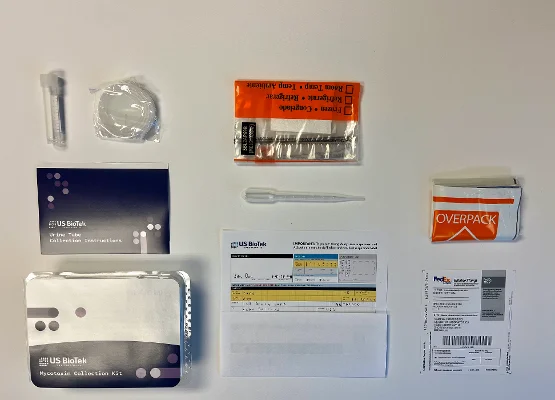
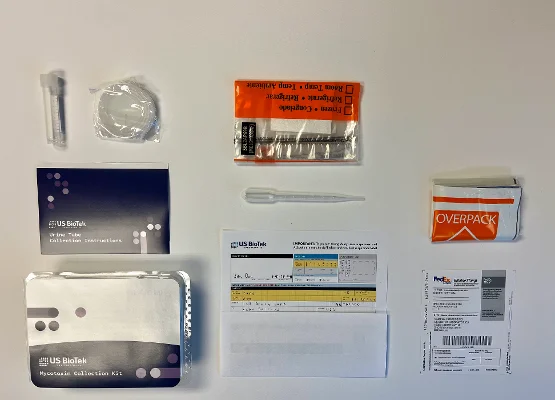
- Collect a urine sample using the supplied kit.
- Send it to the laboratory with prepaid postage.
- Receive your digital results with interpretation of each pollutant group.
Results are typically available within 14 business days.
What’s Included
- Liquid urine collection kit
- Step-by-step instructions
- Prepaid shipping
- Full laboratory analysis
- Easy-to-read results with exposure flags
Why Choose This Test
- Screens 48 metabolites across the most relevant pollutant classes
- Uses LC-MS/MS technology (from your screenshot) for high analytical accuracy
- Clear exposure indicators for each chemical group
- Valuable for preventive health, detox programmes and environmental exposure assessments
Similar Products
Browse allDiscover products you might like